Splitting Work Between AI Agents and Human Agents
The line is not drawn by how hard a call is. It is drawn by what it costs to undo a mistake.

"Should we put an AI agent on the phones" has no answer. What you decide is which calls stay with people, and that line is not about how hard a call is.
1. The axis is reversibility, not difficulty
Sorting by difficulty misfires. Changing an address is easy, but get it wrong and the delivery goes sideways. A billing question looks complicated and usually ends with one lookup read aloud.
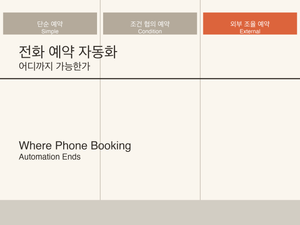
What splits them is the cost of undoing a mistake. Lookups, guidance, bookings — anything you can redo — hand over. Cancellations, refund approvals and contract changes are hard to rewind once executed, so a human confirmation stays.
Scope is set by cost-to-undo, not by a list of call types.
2. Three kinds of call stay with people
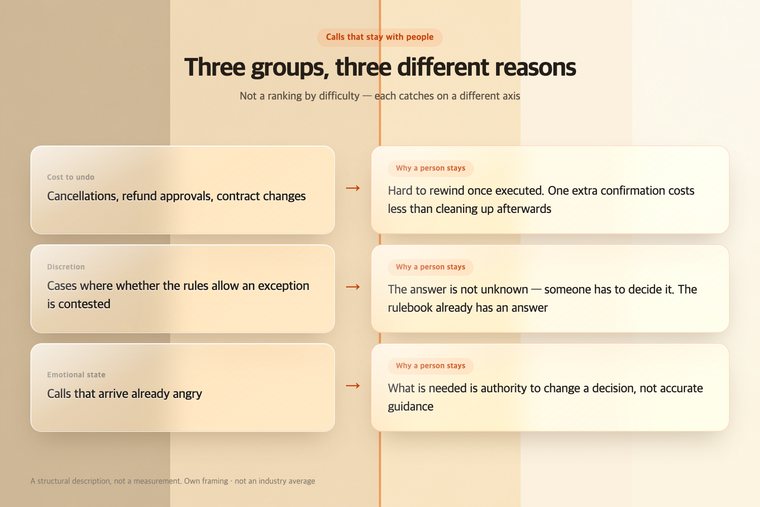
Not ranked by difficulty. Each stays for a different reason.
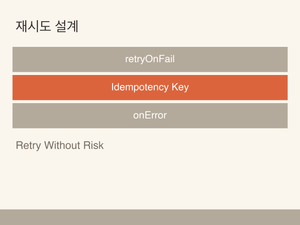
The first is irreversible execution. Where one extra confirmation costs less than cleaning up a wrong action, keep a person.
The second needs discretion inside the rules. The rulebook has an answer; whether this case is an exception is where people disagree. These stay because someone has to decide it.
The third arrives already angry. What is needed is authority to change a decision, not accurate guidance. Once a customer works out they are talking to someone who cannot approve an exception, the call gets longer.
Three different reasons, so no single test covers them.
3. Frame it as headcount reduction and it breaks here
The most common trap. Set the goal as cutting headcount and the design runs one way — how much can we hand over. The exception path drops out first.
With no exception path, calls the AI cannot take never reach a person. They just end. Containment looks higher while what rose is abandonment, which registers as neither resolved nor failed — so it surfaces weeks later as repeat-call rate.
Map where the calls you are not handing over go first.
4. Write the line as conditions
"Refund questions go to a person" breeds exceptions in operation. Write conditions instead — over this amount, third call on the same case, customer asks twice. Then you can move the line by changing a number, and count the transfers. Categories give you neither.
If you cannot write those conditions yet, you are not ready to automate. The same judgment on the outbound side is in what has to be in place before voice AI takes outbound calls.
5. When this does not work
Honestly, there are places where this distinction is beside the point.
- A few dozen calls a day. Draw the line as finely as you like; nothing accumulates
- Every enquiry differs. No repeating types, nothing to write conditions against. B2B technical support
- No call records. A line drawn without knowing what repeats is a guess
In short: the axis is cost-to-undo, not difficulty. Route the calls you are not handing over first, or abandonment hides behind the numbers.